



Key Takeaways
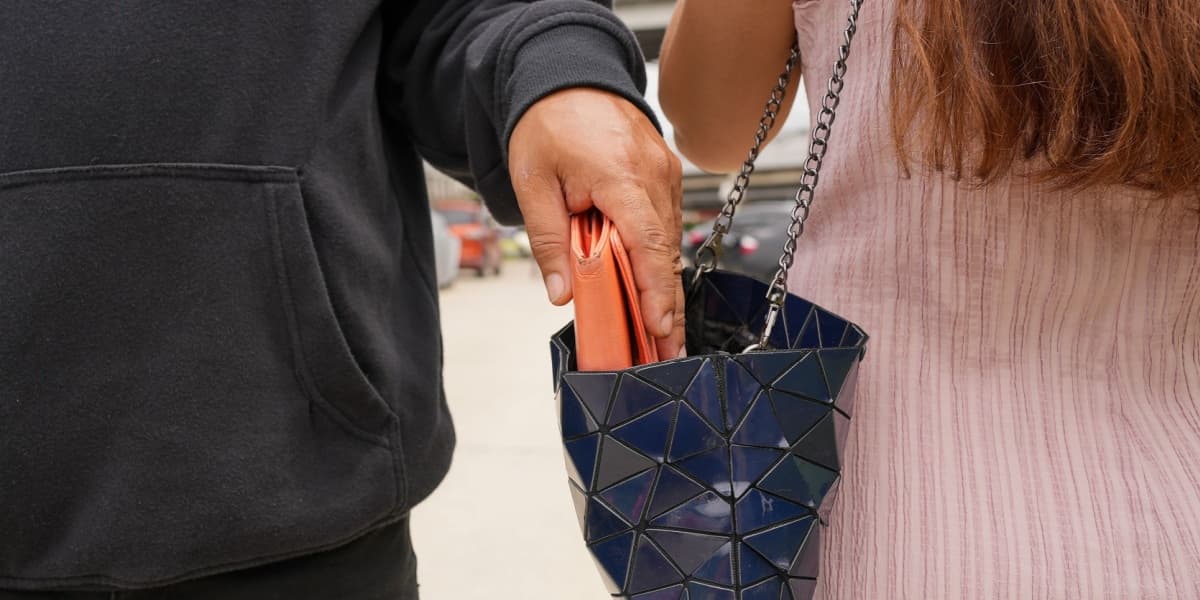
Kleptomania is an impulse control disorder that causes a persistent urge to steal.
Symptoms are cyclical, causing anxiety leading up to the theft, followed by satisfaction after the theft. The urge to steal returns shortly after, and the cycle repeats.
The most effective treatment approaches for kleptomania involve a combination of medication, Cognitive Behavioral Therapy, and 12-step programs. These are each aimed at controlling the urge to steal.
Understanding Kleptomania
Kleptomania is a mental health condition that involves the continual theft of small, low-value items. Since individuals with kleptomania are unable to ignore the ongoing desire to steal, this condition is classified as an impulse control disorder. While this condition may seem relatively harmless to some people, kleptomania can result in emotional distress to an individual and their loved ones as well as legal difficulties and functional concerns.
How common is kleptomania?
Kleptomania is a rare condition affecting between 0.3% and 2.6% of the population.[1][2] However, between 3.8% and 24% of individuals arrested for shoplifting have kleptomania, so the condition may be more common in individuals with a criminal history. Women are three times as likely to develop kleptomania compared to men.[1] Kleptomania is not often brought to the attention of mental health professionals, so the actual prevalence of this condition may be higher.
How does kleptomania develop?
Some experts with a background in psychoanalysis believe that kleptomania is linked to sexual repression, childhood trauma, and abusive or neglectful parents. In some cases, kleptomania can develop after neurocognitive injuries such as epilepsy, traumatic brain injuries, and frontotemporal dementia.[1]
Symptoms
The main symptom of kleptomania is the inability to avoid strong urges to steal low-value, unnecessary items. These symptoms present cyclically, which means the emotional symptoms of the condition will eventually lead someone to steal. After the act, they experience a different set of emotions. Soon after, the process starts over, and the urge to steal returns.
The emotional symptoms of kleptomania include:[3]
Before stealing: Feelings of anxiety, excitement, and/or tension
While stealing: Sensations such as contentment, relief, and pleasure
After stealing, building feelings of shame, guilt, and self-loathing regarding their behavior, along with fear of consequences such as arrest and remorse for whoever they stole from
After some time passes, an individual with kleptomania will once again experience the irresistible urge to steal, and the cycle of emotions and behaviors begins again.
Kleptomania-related stealing differs from traditional acts of stealing. Kleptomania-related stealing does not involve any prior planning and is often a spontaneous act. Someone with kleptomania will not steal out of necessity, in an effort to impress others, for their own gain, or out of revenge. Their only reason for stealing is to satisfy their urges. Most of the time, someone with this condition will never use the items they steal. Some individuals may give the item(s) away or even return them to the store. [3]
Causes
It is difficult for researchers to pinpoint the main cause of kleptomania. Many mental health conditions have a genetic component, but experts believe this is not purely the case with kleptomania. It does appear that individuals with kleptomania often have a family history of mood disorders, substance use disorders, and anxiety disorders, but not always a history of kleptomania. [4]
Apart from that, some environmental factors appear to worsen kleptomania urges and may also cause the condition in the first place. Addictive behaviors play a large part. When someone gives in to their urge to steal and experiences relief as a result, this encourages their behavior. This response leads researchers to believe kleptomania may partly be caused by problems with the brain’s opioid system. This system releases a feel-good brain chemical called dopamine. Dopamine creates pleasure and a sense of reward, and is what causes a kleptomaniac to be excited and satisfied after stealing. Kleptomania may also be linked to mood disorders such as depression, which causes low levels of another chemical called serotonin. Serotonin helps regulate emotions, specifically those that may lead to impulsive behaviors (such as stealing). [3]
Prevention
Because the exact causes of kleptomania are still unknown, it isn’t possible to directly prevent this mental health condition. If someone develops a new compulsion to steal and speaks with a mental health professional shortly after, they are much more likely to prevent legal concerns, functional impairments, and other problems related to kleptomania.[3][4]
Risks and Complications
Individuals with specific mental health conditions are at a greater risk of developing kleptomania due to the impact of addictive stealing behaviors on the brain. If other mental health conditions are not properly managed, someone may also experience kleptomania complications. The mental health concerns most strongly linked to kleptomania risk and complications include:[3][4]
Substance use disorders.
A history of childhood psychological trauma.
Depression.
Traumatic brain injury (TBI).
Obsessive-compulsive disorder (OCD).
Anxiety disorders.
Bipolar disorder.
Eating disorders.
Personality disorders.
Suicidal behaviors and/or thoughts.
Other impulse control disorders.
Some of the most clearly negative outcomes of kleptomania include legal concerns, including arrest, imprisonment, fines, or penalties. Someone may also experience social concerns, such as isolation and relationship difficulties, due to their compulsive behaviors. Uncomfortable emotions associated with kleptomania may also lead to difficulty concentrating, which can affect academic or employment-related performance.
Diagnosing Kleptomania
Since kleptomania can have legal implications, mental health professionals should complete a thorough assessment before diagnosing someone with this condition. [5] A mental health evaluation for kleptomania should include questions about the emotions associated with stealing, frequency of stealing, the circumstances that surround incidents of theft, and functional concerns that have arisen due to theft. [3]
The diagnostic process for kleptomania should also determine if any other mental health concerns are present. This will inform management strategies for kleptomania as well as rule out other causes for habitual stealing. For example, someone may steal (and engage in other reckless behaviors) as a result of manic episodes, Conduct Disorder, and Antisocial Personality Disorder. [6]
Assessment and Tests
Mental health professionals who believe a patient has kleptomania may use a variety of tests and assessments to help make an accurate diagnosis. These can include the Structured Clinical Interview for Kleptomania (SCI-K) and the Kleptomania Symptom Assessment Scale (K-SAS). The Barratt Impulsiveness Scale and the Sensation Seeking Scale can also be used to gauge a patient’s impulsivity, which is a key feature of kleptomania.[7]
Treatment Approaches
Individuals with kleptomania may struggle to seek treatment due to internalized feelings of shame. This has led to a lack of research regarding the benefits of certain treatment methods. But treatment is important to minimize kleptomania complications. Some of the most common approaches used to treat individuals with kleptomania include:[3][4][2]
Cognitive behavioral therapy (CBT): Research supports the use of CBT, particularly for individuals with eating disorders and kleptomania. This modality involves teaching skills such as distraction, picturing negative consequences of stealing, and using relaxation techniques to help people with kleptomania resist urges to steal.
Group therapy: This form of psychotherapy may be recommended for individuals with similar diagnoses, such as impulse control disorders or mood disorders.
12-step programs: Similar to those catered to substance use disorders, 12-step programs allow someone with kleptomania to learn from others who understand addictive and impulsive behaviors.
Hypnosis: While there is little research as to the effectiveness of hypnosis in managing kleptomania, this modality may be used alongside other methods that assist with urge resistance.
Medication: Opioid antagonists like naltrexone have shown positive results in the treatment of kleptomania. By blocking neurotransmitters that allow someone to feel pleasure from stealing, these medications can help manage urges. If someone has depression that is worsening their kleptomania, they may be prescribed selective serotonin reuptake inhibitors (SSRIs). Mental health professionals may similarly provide anti-seizure drugs for someone with co-occurring epilepsy and lithium for co-occurring bipolar disorder.
Living with Kleptomania
Individuals with kleptomania need support to cope with the social and emotional effects of their condition. To improve their quality of life and well-being, individuals with kleptomania should follow recommendations from their mental health professional. This includes attending therapy as scheduled and taking medications as instructed, both for kleptomania and any other mental health concerns. Education helps someone gain a deeper understanding of the condition and how they can avoid triggers.[3]
Setting personal goals and keeping a positive attitude is also essential. As with any addictive tendencies, it is normal to experience relapses and setbacks despite making strides toward recovery. Establishing healthy habits (like exercising and yoga) is a good way to replace less positive habits, such as stealing. This also helps redirect energy away from urges and more effectively manage stress that may lead to an uptick in stealing. Disclosing your condition to trusted loved ones can help build social support, which encourages accountability for healthy habits.
Helping a Loved One
Education is also beneficial for loved ones of those with kleptomania. Many mental health professionals even encourage their patients’ closest loved ones to attend therapy sessions with them. From there, friends and family can help avoid triggers that may worsen urges. Loved ones may also find it valuable to attend talk therapy to manage their own stress and self-care needs.
Further Support
12-step programs can be informative for those with kleptomania, but they don’t need to be condition-specific. Addictive and impulsive behaviors are at the root of kleptomania, and these programs help individuals manage cravings and impulses of all kinds among those with shared experiences. You can search for local support groups and 12-step programs near you or online.
References
1.
Kleptomania and potential exacerbating factors: A review and case report.
Source: Innovations in Clinical Neuroscience, 8(10), 35–39.
2.
Kleptomania on the impulsive–compulsive spectrum.
Source: Clinical and Therapeutic Considerations for Women.
3.
Kleptomania.
Source: Mayo Clinic. (2022).
4.
Kleptomania.
Source: Cleveland Clinic. (2022).
5.
Kleptomania: A case series.
Source: Singapore Medical Journal, 55(12), e207–e209.
6.
Addictive Disorders.
Source: Women and Health (Second Edition). (1305-1340). Academic Press.
7.
Psychopathology and comorbidity of psychiatric disorders in patients with kleptomania.
Source: American Journal of Psychiatry, 160(8), 1509–1513.

Author
Brittany FerriBrittany Ferri holds a PhD in Integrative Mental Health and is an occupational therapist, health writer, medical reviewer, and book author.
Activity History - Last updated: May 14, 2026, Published date: May 14, 2026

Reviewer
Dr. Jennifer Brown is dual board-certified in family medicine and obesity medicine. She currently works for Amwell Medical Group, providing virtual primary care services, including mental health treatment.
Activity History - Medically reviewed on May 14, 2026 and last checked on May 14, 2026